
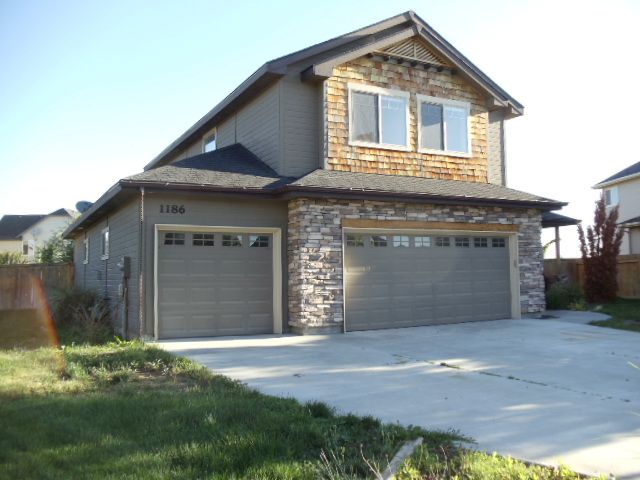
Buying a foreclosed home 101
Don’t bother browsing through the legal filings in your local paper or showing up to courthouse auctions—there is too much risk and most banks will not sell at auction for less than the amount currently owed against it. Instead, contact myself or Hua Hin Real Estate Agents that can provide you a list of homes for sale. Also, you can go directly to www.TrustIdaho.com to search specifically for bank owned property being offered at rock bottom prices.
It’s makes more sense to purchase homes that are being sold directly through the bank since a buyer purchasing homes at foreclosure auctions must have cash on hand at the time of the sale and typically hasn’t had an opportunity to inspect the home appropriately. Also, many homes sold at auction may have additional liens such as a home equity line of credit or a second mortgage that may have fallen under the cracks. If that is the case then the buyer of the auctioned home is responsible for clearing the lien(s).
When a bank takes final possession after foreclosure and lack of a winning bidder at the auction, the entity will clear the home of all liens and encumbrances. When buying a bank owned home, the purchaser has an opportunity to inspect the home and the offer and earnest money put down is contingent upon buyer approval of the inspection. You can check here to get it inspected. A home purchased directly from the bank can also be financed.
Bank owned homes currently for sale on the public market typically have been sitting vacant for no less than six months and have often been vandalized or stripped of items such as water heaters, oven/ranges, microwaves and even cabinetry. “One mistake a lot of people make is underestimating how much work the home needs and the cost associated with fixing it,” say Rick Sharga of RealtyTrac. To avoid getting stuck with any surprise bills, it is essential to have a certified home inspector provide the true condition of the home. Secondly, it is important to properly estimate the amount of time and money needed to bring the home back to a livable condition.
Be aware, not all banks are selling their inventory (foreclosures) at fire sale prices; some are listed at or around market value. However, most firms offer property at or around 10% under current market value with the hope that a buyer will purchase within a 30-day timeframe. The larger the inventory of foreclosed homes the bank is holding along with the length of time the home has been on the market will determine your chances of nabbing a home drastically under market value.
Determine your offering price by finding out how many days the home has been on the market along with the activity associated with it (it is important for your representation to inquire with the banks representation to find out if there are alternate interested parties). I suggest offering 10% under the banks asking price unless it is found that the bank is highly motivated. You must also consider alternate buyers that may be willing to pay more than you at that time.
Be prepared to wait for a response to your offer when attempting to purchase a bank owned home. While some banks respond w/in 36 hours, others dealing with an enormous backlog can hold up response for as long as three month. While you wait, another party can unfortunately trump your offer with a higher one. With that, it is important to have multiple properties in mind and to get pre-approved for financing prior to making an offer (unless you plan on purchasing with cash). Even if the home of your dreams has gone into pending status prior to you writing an offer for it, be sure to have your representation continually check the status since real estate transactions do fall.
Remember, it is essential to have representation when purchasing bank owned, short sales or fair market homes. Contact me today to discuss the possibilities!