What to Expect From a Home Inspection in Idaho
By Trust Realty, November 14, 2026. 2 min read.
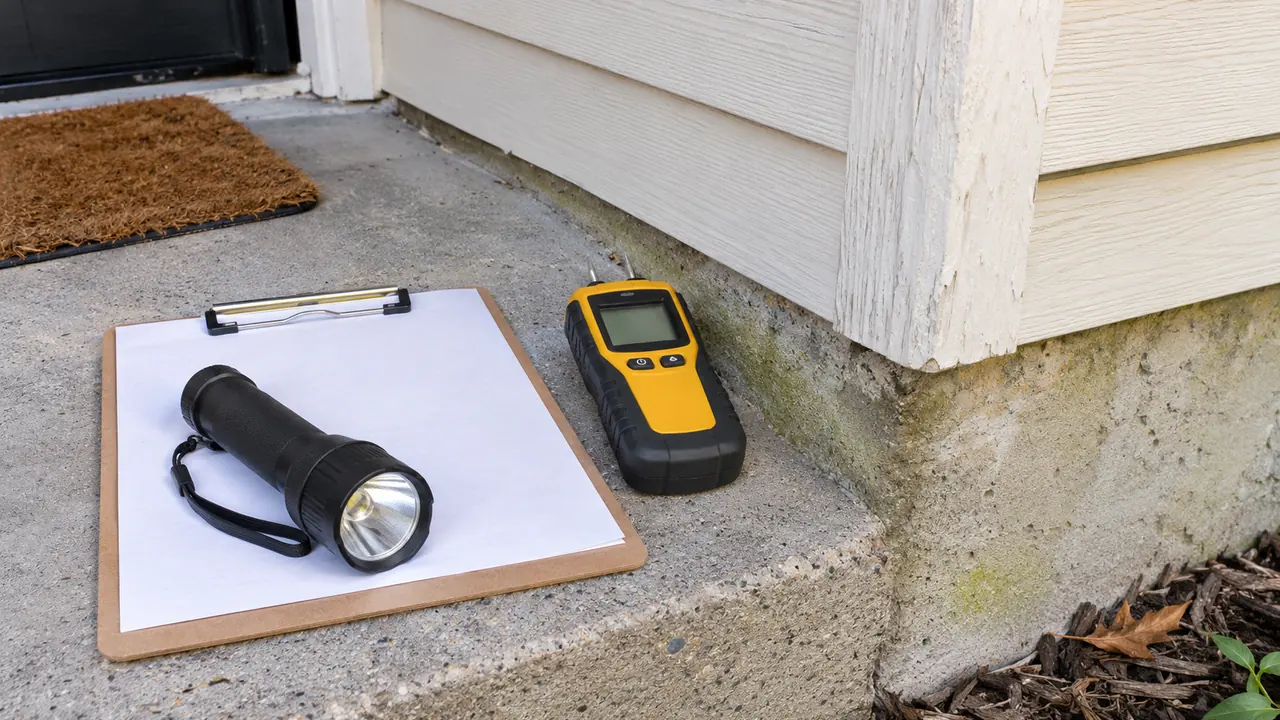
A home inspection is your chance to learn the true condition of a home before you buy it. Here is what an inspector checks, what to add, and what to do with the report.
An inspection is one of the most useful things you pay for when you buy a home. For a few hours of an inspector's time, you learn what you are really buying.
What a home inspector checks
A general home inspection is a visual check of the home's main parts:
- Roof, gutters and exterior
- Foundation and structure
- Plumbing
- Electrical
- Heating and cooling
- Attic, insulation and ventilation
- Windows, doors and floors
- Built-in appliances
The inspector does not open walls or predict the future. The report tells you what was visible on that day.
Choosing an inspector in Idaho
Idaho does not license home inspectors. That makes your choice more important. Before you hire one, ask:
- What training and certifications do you have?
- How many inspections have you done?
- Do you carry insurance?
- Can I see a sample report?
Your agent can suggest inspectors who are known for careful work.
Tests worth adding
A general inspection does not cover everything. Depending on the home, consider:
- Radon. Radon is a gas that comes from the ground and has no smell. The Idaho Department of Health and Welfare says about 40 percent of Idaho homes have unsafe levels. The EPA recommends fixing a home that tests at 4 picocuries per liter or higher. Testing is simple, and a radon system can fix the problem.
- Sewer line. A camera check of the line from the home to the street. Worth doing on older homes and homes with large trees.
- Well and septic. If the home is on acreage or outside city services, have the well water tested and the septic system inspected.
- Pests. A check for insects that damage wood.
Go to the inspection if you can
Walk through with the inspector at the end. You will learn where the shut-off valves are, how the systems work, and which items matter most. A report makes far more sense after you have seen the home through the inspector's eyes.
What to do with the report
Every home has a list, even a new one. Do not let a long report scare you. Sort the items into three groups:
- Safety and big-ticket items. Roof, structure, electrical hazards, heating and cooling, plumbing leaks.
- Repairs to plan for. Things that work now but are near the end of their life.
- Small stuff. Loose handles, missing caulk, minor wear.
Then talk with your agent. Within the time your contract allows, you can ask the seller to make repairs, ask for a credit or a lower price, accept the home as it is, or cancel if your contract permits. Focus your requests on the first group.
What about new homes?
New homes should be inspected too. An inspector works for you, not the builder, and can catch things before your warranty period starts counting down.
This article is general information, not legal advice. Your agent can explain the inspection terms in your contract.